Back to Blog
Back to Blog
Tips to Avoid Emergency Visits to the Vets with Your Pets
Written by
Star Veterinary Team
Published Date

Poison Awareness Week happens yearly in March. It was established to raise awareness of everyday things that can be dangerously toxic to your pets. Many household products, like detergents and other substances, can be poisonous to pets.
Pets may become very ill very quickly when ingesting many common day-to-day foods and household products.
Here is a list of foods and other substances that can be poisonous for pets to help you be more aware:
Alcohol
Caffeine
Chocolate
Citrus oil extracts
Grapes and raisins
Moldy foods
Medicines and supplements
Here are common houseplants that are known to be toxic to animals:
Azalea
Creeping Charlies
Lilies
Mistletoe
Philodendron
Poinsettia
Spring and summer can be a nightmare for pet owners when gardeners fumigate and apply chemicals. Be cautious and ask your gardener about the products' ingredients. It may be advisable to keep your pets in a safe space for a few hours after an application of chemicals.
Symptoms of Accidental Pet Poisoning
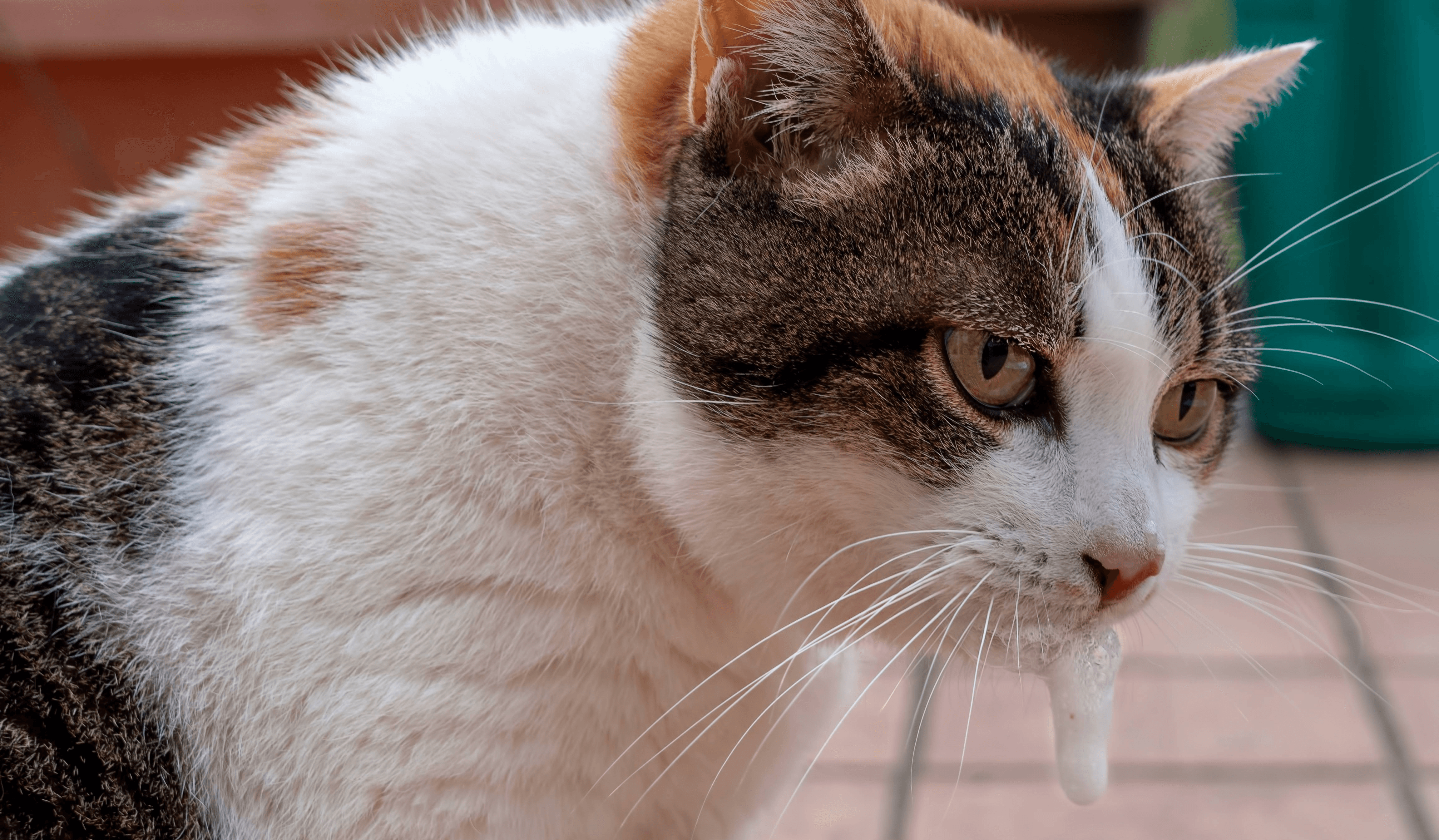
Some poisons will result in immediate reactions in your pet, while others may take several days to manifest symptoms.
General pet poisoning signs to look out for include:
Drooling and loss of appetite
Vomiting and diarrhea
Lethargy, weakness
Pale or yellowish gums
Excessive thirst or urination
Nervousness and hyperactivity
Muscle tremors, seizures, or coma
If you see your pet ingest anything you are unsure about, contact your vet immediately or bring them to our emergency pet clinic.
Bring the bottle or packet if you know what they swallowed, or retrace the areas your pet has been to help the vet understand the possible poison they may have ingested.
If you're unsure, you can drop by the clinic for a vet consultation.
We are always here to advise you, even if you don't think it's urgent, to give you peace of mind.
Poison Awareness Week happens yearly in March. It was established to raise awareness of everyday things that can be dangerously toxic to your pets. Many household products, like detergents and other substances, can be poisonous to pets.
Pets may become very ill very quickly when ingesting many common day-to-day foods and household products.
Here is a list of foods and other substances that can be poisonous for pets to help you be more aware:
Alcohol
Caffeine
Chocolate
Citrus oil extracts
Grapes and raisins
Moldy foods
Medicines and supplements
Here are common houseplants that are known to be toxic to animals:
Azalea
Creeping Charlies
Lilies
Mistletoe
Philodendron
Poinsettia
Spring and summer can be a nightmare for pet owners when gardeners fumigate and apply chemicals. Be cautious and ask your gardener about the products' ingredients. It may be advisable to keep your pets in a safe space for a few hours after an application of chemicals.
Symptoms of Accidental Pet Poisoning
Some poisons will result in immediate reactions in your pet, while others may take several days to manifest symptoms.
General pet poisoning signs to look out for include:
Drooling and loss of appetite
Vomiting and diarrhea
Lethargy, weakness
Pale or yellowish gums
Excessive thirst or urination
Nervousness and hyperactivity
Muscle tremors, seizures, or coma
If you see your pet ingest anything you are unsure about, contact your vet immediately or bring them to our emergency pet clinic.
Bring the bottle or packet if you know what they swallowed, or retrace the areas your pet has been to help the vet understand the possible poison they may have ingested.
If you're unsure, you can drop by the clinic for a vet consultation.
We are always here to advise you, even if you don't think it's urgent, to give you peace of mind.
Frequently Asked Questions
What should I do if my pet eats chocolate?
What should I do if my pet eats chocolate?
Should I make my pet sick at home if they've swallowed something toxic?
Should I make my pet sick at home if they've swallowed something toxic?
Is xylitol dangerous for pets?
Is xylitol dangerous for pets?
Are human medicines like paracetamol and ibuprofen safe for pets?
Are human medicines like paracetamol and ibuprofen safe for pets?
My pet ate something toxic but seems fine. Do I still need to call?
My pet ate something toxic but seems fine. Do I still need to call?
What if my pet swallows something after the clinic has closed?
What if my pet swallows something after the clinic has closed?

Written by
Star Veterinary Team
You Might be Interested
View All Blogs

View All Blogs
Your Pet's Wellness Starts Here
Compassionate Care, Expert Hands.
Modern Medicine for Happy Pets.
Caring for Pets Like Family.
Trusted Care for Every Paw.
Book Now


Hours of Operation
Sports City
Sustainable City
Monday
8am - 7pm
Tuesday
8am - 7pm
Wednesday
8am - 7pm
Thursday
8am - 7pm
Friday
8am - 7pm
Saturday
8am - 7pm
Sunday
8am - 7pm

©️ 2016-2026 Star Veterinary Clinics | A Member of ARENA Veterinary Group
Your Pet's Wellness Starts Here
Compassionate Care, Expert Hands.
Modern Medicine for Happy Pets.
Caring for Pets Like Family.
Trusted Care for Every Paw.
Book Now
Hours of Operation
Sports City
Sustainable City
Monday
8am - 7pm
Tuesday
8am - 7pm
Wednesday
8am - 7pm
Thursday
8am - 7pm
Friday
8am - 7pm
Saturday
8am - 7pm
Sunday
8am - 7pm
©️ 2016-2026 Star Veterinary Clinics
A Member of ARENA Veterinary Group
Your Pet's Wellness Starts Here
Compassionate Care, Expert Hands.
Modern Medicine for Happy Pets.
Caring for Pets Like Family.
Trusted Care for Every Paw.
Book Now
Hours of Operation
Sports City
Sustainable City
Monday
8am - 7pm
Tuesday
8am - 7pm
Wednesday
8am - 7pm
Thursday
8am - 7pm
Friday
8am - 7pm
Saturday
8am - 7pm
Sunday
8am - 7pm
©️ 2016-2026 Star Veterinary Clinics | A Member of ARENA Veterinary Group